
Ultralight Packing Tips
The Art of Load Management for Hikers and Urban Travelers
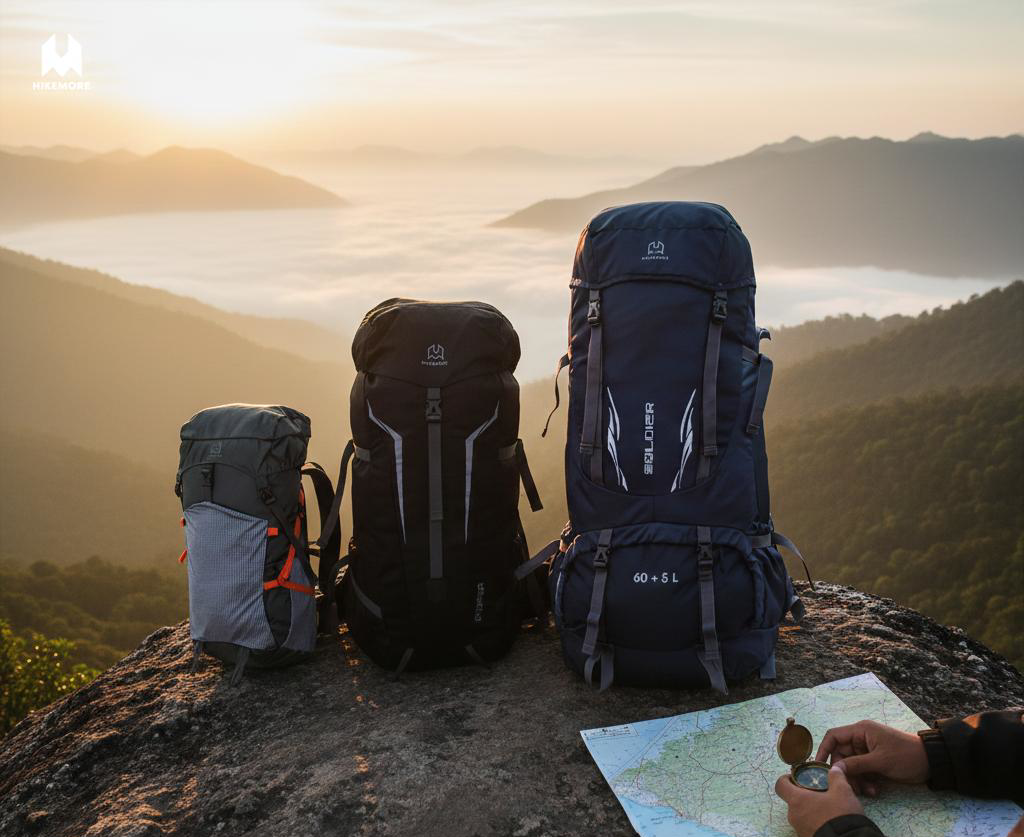
Among Indonesian mountain climbers, a saying has emerged: "Carry little, walk far. Carry a lot, walk a short distance." This phenomenon has given rise to the trend of Ultralight Backpacking. This concept is not merely about showing off expensive lightweight gear, but rather a smart strategy to reduce load without neglecting safety in the wild.
For those of you who often feel exhausted quickly while hiking or whose carrier bag often feels like torture on your shoulders, incorrect packing management could be the main cause. By adopting Hikemore's principle of multifunctionality, you can cut your load by 30-50% of its usual weight.

Figure 1: The initial stage of ultralight is weighing each piece of equipment to separate essential needs from unnecessary extra weight.
1. Understanding the Philosophy of "The Big Three"
Based on in-depth research into the habits of Indonesian hikers, the heaviest loads always come from three main items: Tent, Sleeping System, and the Carrier itself. To begin ultralight techniques:
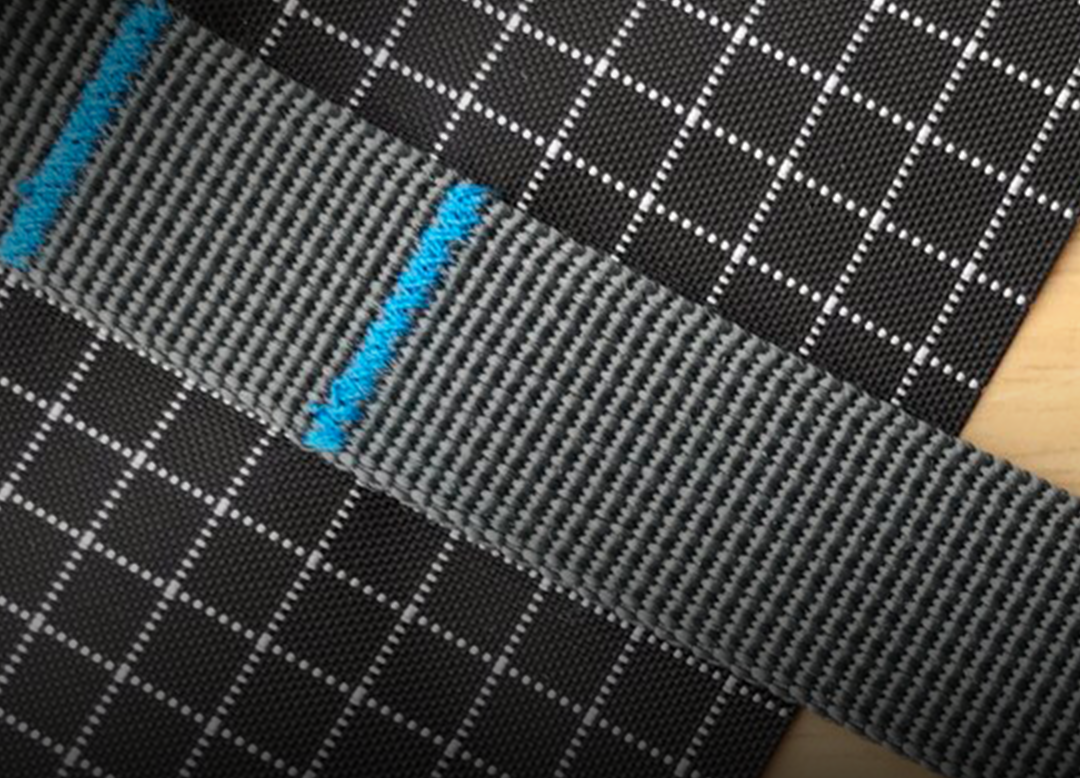
- Carrier: Choose a bag with a smaller volume (35L - 50L) but with an ergonomic back structure. Make sure your bag uses Batrex Sewing to remain sturdy even when heavily loaded.
- Shelter: Consider using a 1-2 person tent weighing less than 2kg or using a flysheet if the terrain allows.
- Sleeping System: Use a dacron or goose down sleeping bag that can be compressed to the smallest size.
Strategy Modification: Multi-Use Gear
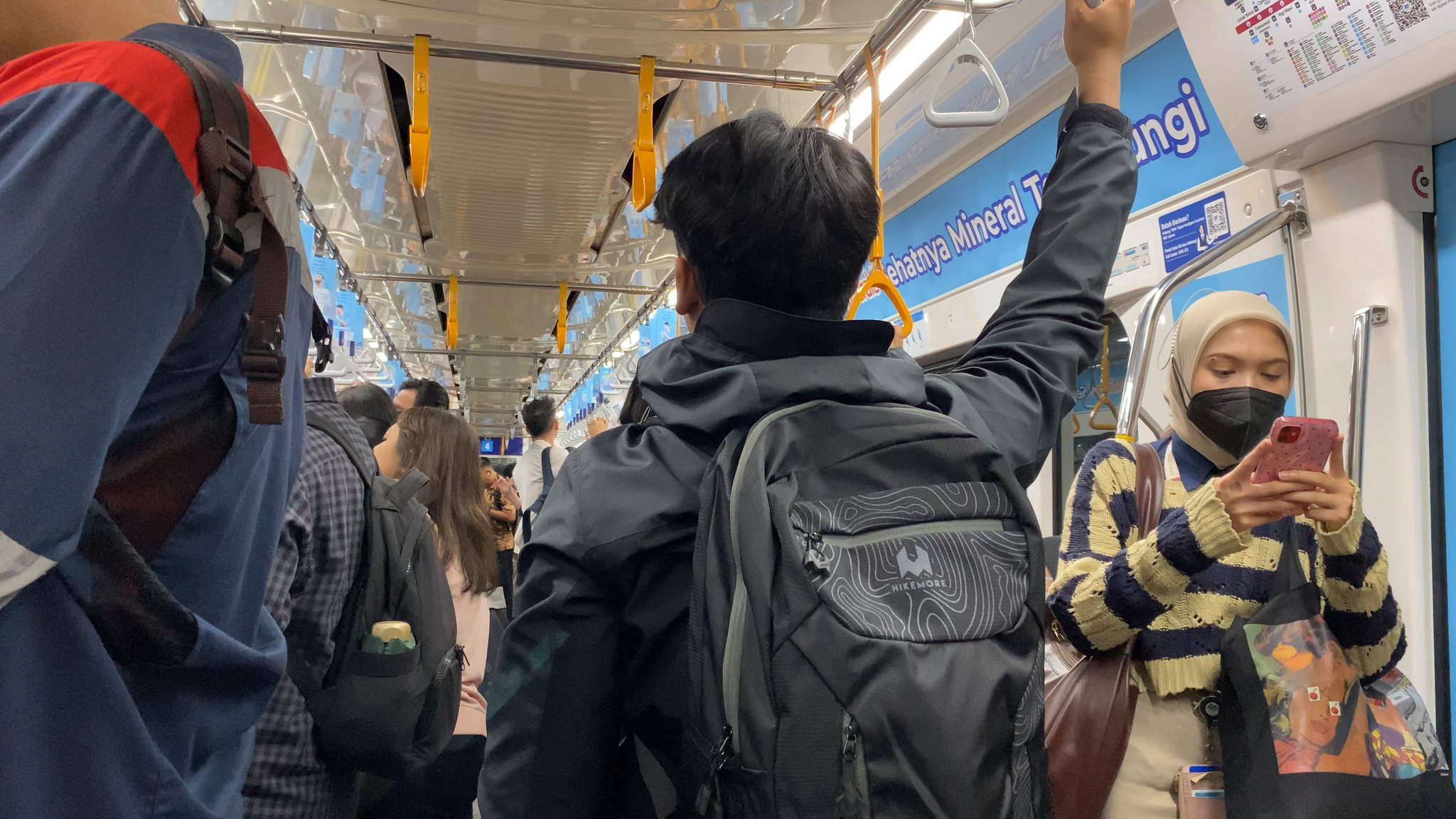
One of the "Always The Max" tricks from pro-hikers is to bring items that have two or more functions. For example, a Hikemore riding jacket or functional vest can be used as an extra pillow when sleeping, so you no longer need to bring an inflatable pillow that adds gram weight.
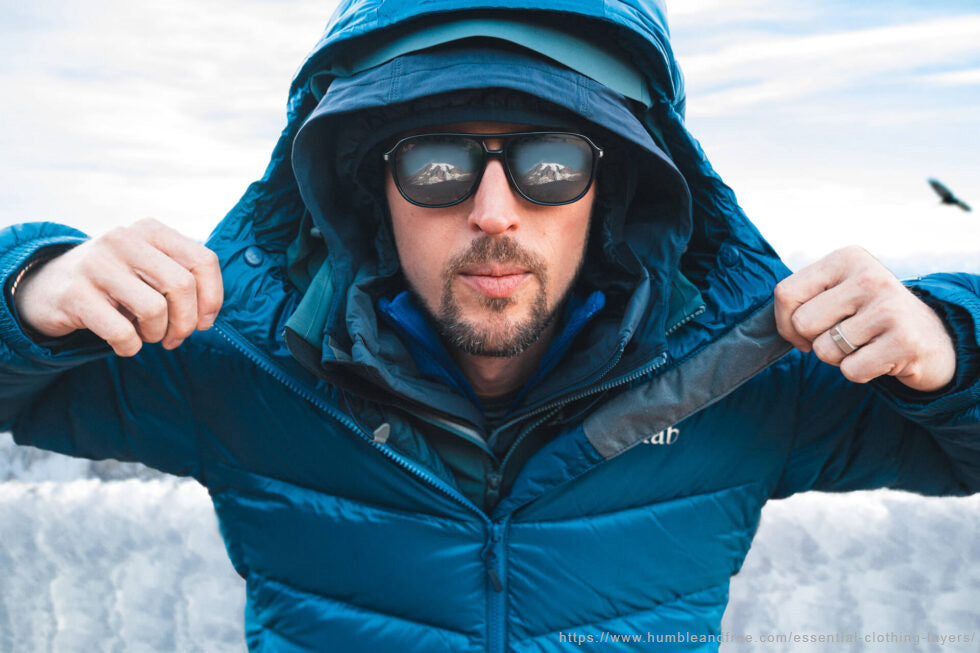
2. Clothing Management with a Layering System
Never bring a change of clothes for every day of hiking. In Indonesia, which has a tropical climate but is cold at altitude, simply use a 3-layer system:
- Base Layer: Quick-dry t-shirt or sportswear baselayer that wicks away sweat.
- Mid Layer: A light shirt or parachute jacket to retain body temperature.
- Outer Layer: A water-resistant jacket that also functions as a windbreaker.
Choose semi-stretch pants with multiple pockets (multifunctional). These pants are very light and flexible, allowing you to move freely on rugged trails without fear of tearing because their stitching strength has been tested.

Figure 2: The use of dry bags not only protects clothes from water but also acts as a space compressor inside the bag for more compactness.
3. Weight Distribution
After optimizing your gear, how you pack it into your bag is key to comfort. The ATM international packing technique, modified for Indonesian terrain, is:
- Bottom: Light and bulky items such as sleeping bags and sleeping pads.
- Middle-Back: Heaviest items such as water, provisions, and cooking utensils (nesting). This keeps the load at your body's center of gravity.
- Top: Items that are frequently accessed, such as rain gear, headlamps, and snacks.