Understanding the Mid-Layer: The Crucial Middle Layer for Mountain Climbing
For outdoor enthusiasts, especially mountain climbers, maintaining body temperature is an absolute must. When engaged in activities in extreme weather, the key to protection is not just a thick jacket, but a proper understanding of the clothing layering system.
In this three-layer system, there is one component that often determines your comfort and warmth: the Mid-Layer.
What exactly is a mid-layer, and why is its role so vital in your climbing gear? Let's delve deeper.
1. What Is a Mid-Layer?
Simply put, a mid-layer is an insulation layer that functions as the "heart" of your outdoor clothing system. Its position is right in the middle:

-
Base Layer: Directly touches the skin. Its job is to manage moisture (sweat).
-
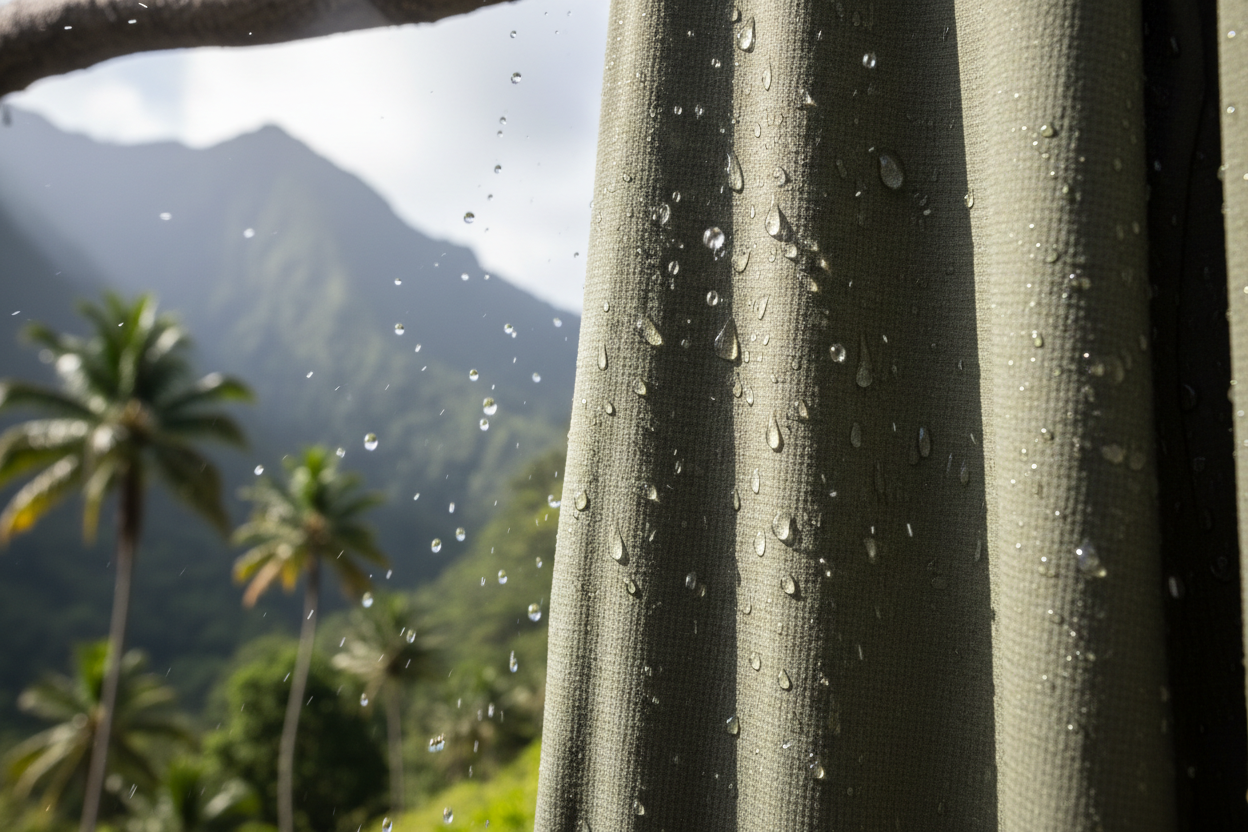
Outer Layer: The outermost layer (shell jacket). Its job is to protect from wind, rain, and snow.
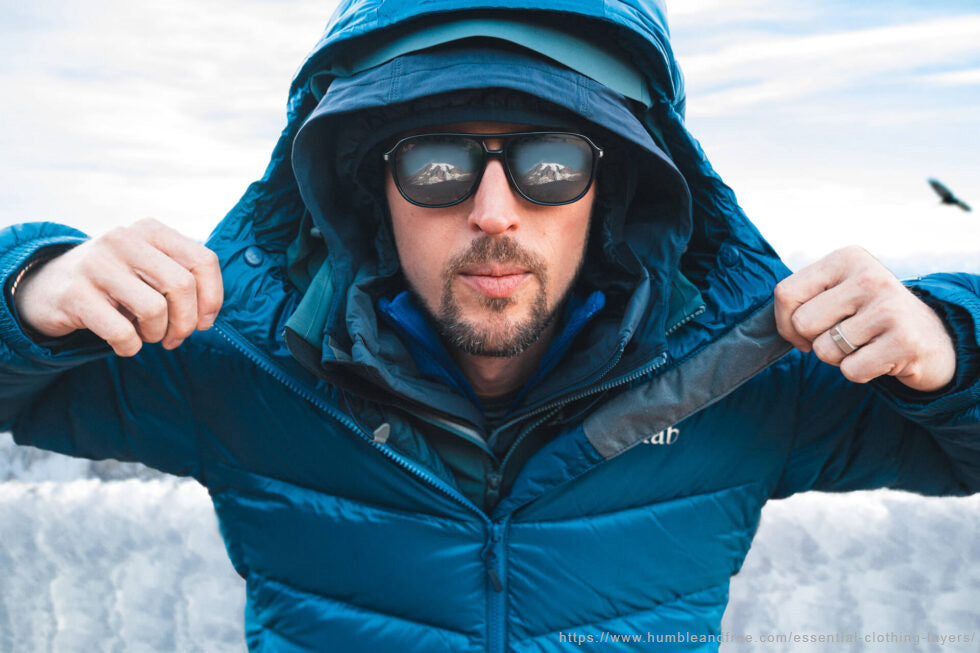
- Mid-Layer: Worn in between the two. Its function is to create a barrier air space to trap body heat and prevent it from evaporating.
Clothing that can serve as a mid-layer varies: warm vests, hoodies, to technical zip-up jackets. The principle is that using several thin layers is more effective than one thick layer, because thin layers work optimally as insulators that trap warm air.
2. Why Is a Mid-Layer So Important? (Key Functions)
The role of the mid-layer is crucial because it offers maximum warmth without adding excessive bulk. This is very helpful when facing rapid temperature changes at the mountain summit.
Thermal Insulation
A mid-layer creates a protective layer around the body that effectively locks in the body heat you generate and prevents cold from entering.
Moisture Management
Although its primary job is insulation, a good mid-layer must be breathable. This is important so that sweat from the base layer can be released, keeping your body dry and preventing hypothermia due to wet clothing.
Adaptive Flexibility
The advantage of a mid-layer is its ease of adaptation. You can add it when temperatures drop drastically (for example, during night breaks) or remove it quickly when the weather warms up or when you are engaged in strenuous activity.
3. Understanding Mid-Layer Material Types
Choosing a mid-layer should be tailored to environmental conditions and your activity intensity.
1. Merino Wool
This material is flexible, warm, and has the unique ability to absorb up to 35% moisture while still providing warmth. Suitable for cold temperatures and activities with high sweat intensity (multi-day treks).
2. Fleece
Fleece is the most common choice because it dries quickly and its fluffy construction is very effective at maintaining body temperature. Ideal for hiking in low temperatures or casual use in winter.
3. Down Insulation
Filled with fine feathers, very lightweight, and offers the highest insulation. Its drawback is that its insulation will drastically decrease if wet.
- Suitable for dry and very cold conditions.
4. Synthetic Insulation
Made of polyester, this material can still function as an insulator even in wet or damp conditions. A safer choice if you are often in environments prone to rain or wetness.
5. Softshell
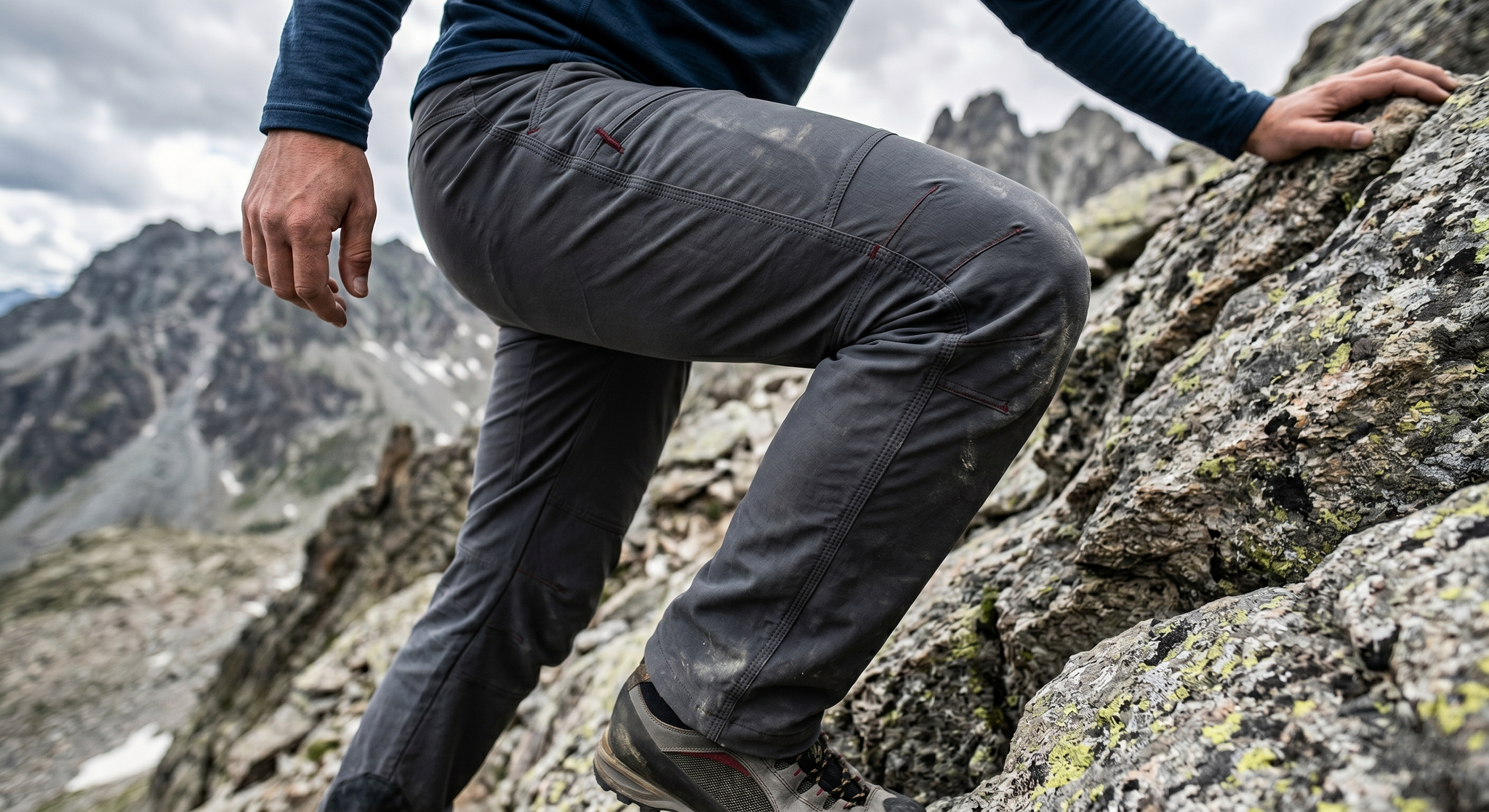
Made from a combination of windproof nylon or spandex. Suitable for windy weather and activities that require high mobility or body movement.
4. Material Comparison
If you are looking for a reliable mid-layer option, consider jackets with the following specifications:

- Technical Fleece Option: Look for fleece jackets with special technology that ensures high breathability.
- Mobility Option: Consider Softshell jackets for activities that require a lot of movement.
- Extreme Warmth Option: Down or other Warmer jackets are suitable for rest or nighttime in very cold temperatures.
By understanding and applying the layering system, especially the crucial role of the mid-layer, you are ready to face various weather challenges in the outdoors with more comfort and safety.
5. Mid-Layer Recommendations for Your Adventure